How to Set Up a Workplace Duress Response Procedure
A workplace duress response procedure gives staff a clear path when a threat, aggressive encounter or unsafe situation develops. For lone workers and small teams, the procedure needs to be simple enough to remember under stress and specific enough to act on straight away. It should cover how a worker raises an alert, who receives it, how contact is made, and what happens after the immediate danger has passed.
The best procedure starts with real work conditions, not a generic form. Consider where people work, whether they are mobile, how reliable mobile coverage may be, and what sort of threats are plausible. A receptionist facing an aggressive visitor has different needs from a worker visiting a remote site. The response must match the risk, the location and the level of support available.
Map the duress situations you need to cover
Begin by identifying the events that could require urgent help. A duress event may involve a threatening person, a demand to hand over money or property, a violent incident, a serious accident, or a worker who cannot speak freely because someone nearby is listening. In lone worker settings, a fall, sudden illness or a man down alert can create the same need for fast contact, even when there is no deliberate threat.
Write these scenarios in plain language. Avoid vague terms like "incident" on its own, because staff may not know whether it applies to them. Describe what the worker might notice, what they are expected to do, and what response they can expect. Clear examples help people act sooner when events feel confusing or fast moving.
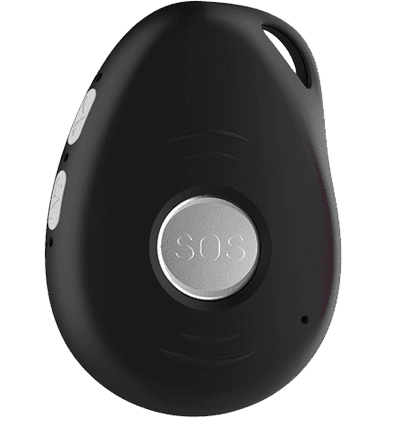
At this point, decide whether a two way voice alarm fits the procedure. A device or system with two way voice allows a nominated contact to speak with the worker without requiring them to unlock a phone or explain the situation to a bystander. In some systems, the alert may also carry GPS location, SOS status, man down information or fall detection alerts. The procedure should state what each signal means and what action follows each one.
Assign response roles before anything happens
A procedure fails when everyone assumes someone else is handling it. Name the roles, not just the departments. There should be a primary nominated contact, a backup contact, and a clear rule for what happens if neither can respond. If the workplace has managers, supervisors, security staff or designated first aiders, define where they fit.

Each role needs known capabilities. The person receiving an emergency call should be able to stay calm, speak clearly, gather location details, and decide when to escalate to emergency services. They should also know when not to put themselves at risk. A responder should never be expected to confront an aggressive person without proper training or authority.
Watch for role gaps during weekends, late shifts, annual leave and staff turnover. A contact list that only works on weekdays is not enough for lone workers. Keep the rota current and make sure the person on duty knows they are the nominated contact before the shift starts.
Set clear rules for raising an alert
Workers need to know exactly how to signal duress. If a panic button is part of the setup, state when it should be pressed and what happens after activation. If a wearable device is used, explain how the worker activates SOS, how they can speak using two way voice, and whether location is sent with the alert. Keep the wording short and practical, because fine detail is hard to recall during stress.
The alert rules should account for discretion. A worker may be in a room with a threatening person and unable to speak openly. In that case, the procedure can allow a silent alert followed by controlled voice contact when safe. If the worker can talk, the contact should use short questions and avoid demanding details that could escalate the situation.
Decide what staff should do if they activate an alert by mistake. A clear cancellation process reduces hesitation and prevents workers from fearing penalties for a false alarm. The response should still check that the person is safe, then record what happened without blame.
Training should include wearable help during threatening situations so staff understand how the device supports them without replacing judgment or emergency services. Practice should cover pressing the alert, confirming contact, sharing location, and ending the call once safety is restored.
Define what the nominated contact does first
The first minutes after an alert matter. The nominated contact should answer quickly, identify themselves, and use a calm voice. The first priority is to establish whether the worker is safe to talk. If the answer is no, the contact should keep the call brief and avoid pressing for information that could put the worker at greater risk.
Next, confirm location and the nature of the problem. GPS location can help, but it should not be treated as perfect. Indoor locations, tall buildings, dense vegetation and poor coverage can affect accuracy. Ask the worker to confirm where they are when they can do so safely.

The contact then follows the escalation rules. Those rules should say when to call emergency services, when to notify a manager, and when to contact another staff member for support. Emergency services should be called when there is immediate danger, serious injury, a weapon, a threat of violence, or a worker who cannot be contacted after a concerning alert.
Throughout the call, the nominated contact should keep a simple record of times, facts and decisions. That record can help with later review and incident response. It does not need to be detailed while the event is unfolding. Names, location, what was reported, and the action taken are enough at the start.
Build escalation rules around levels of risk
Not every alert requires the same response. A tiered approach helps staff act without guessing. One level may apply when a worker feels uneasy and wants a check in. Another may apply when a threat is present but the worker can still speak. A higher level applies when there is violence, injury, silence after an alert, or a belief that the worker cannot safely leave.
Keep the levels short. Each one should state who responds, how quickly contact is attempted, and when outside help is called. Avoid rules that depend on a manager being available, because a duress event does not wait for office hours. Include a fallback path if the nominated contact cannot answer or is themselves involved in the event.
Watch for overreliance on technology. A two way voice alarm can support fast contact, but it does not replace emergency services, trained judgment or safe work design. If the risk is high, the procedure should favour immediate escalation rather than repeated attempts to manage the situation internally.
Plan for communication after the alert
Once the immediate threat has passed, the worker still needs support. The procedure should state who checks that they are safe, whether they should leave the site, and how they get help if they are shaken or injured. A calm debrief can be useful, but it should not feel like an interrogation. The first conversation should focus on wellbeing and immediate needs.
Formal reporting can follow later. Record what happened, how the alert was raised, how quickly contact was made, what decisions were taken, and whether any alerts worked as expected. Include missed calls, unclear location data, confusion about roles, or delays caused by poor coverage. These details show where the procedure needs tightening.
Any incident response review should include the worker where appropriate. They may notice practical problems that a manager cannot see, such as a button that is hard to reach, a signal that is easy to trigger accidentally, or a contact script that sounds unnatural during a threat.
Train, test and refresh the procedure
A written procedure is only useful if people recognise it and can follow it. Training should cover the whole path: identifying a duress event, raising an alert, answering a call, confirming location, escalating, and recording what happened. Use short practice scenarios so staff can rehearse decisions without turning the session into a lecture.
Testing should check both the human and technical parts. Confirm that nominated contacts know their role, contact details are current, devices are charged, and alert messages are understood. If a two way voice alarm is part of the response, check that the audio is clear and that staff know what to say when they cannot speak freely.
Review the procedure after any incident, staff change, role change or work pattern change. Small updates are easier than a full rewrite under pressure. The aim is a procedure that feels familiar before an event occurs, so the response is steady, safe and practical when someone needs help.